Reimaging China: 5 Interesting Finds from IMEX Frankfurt
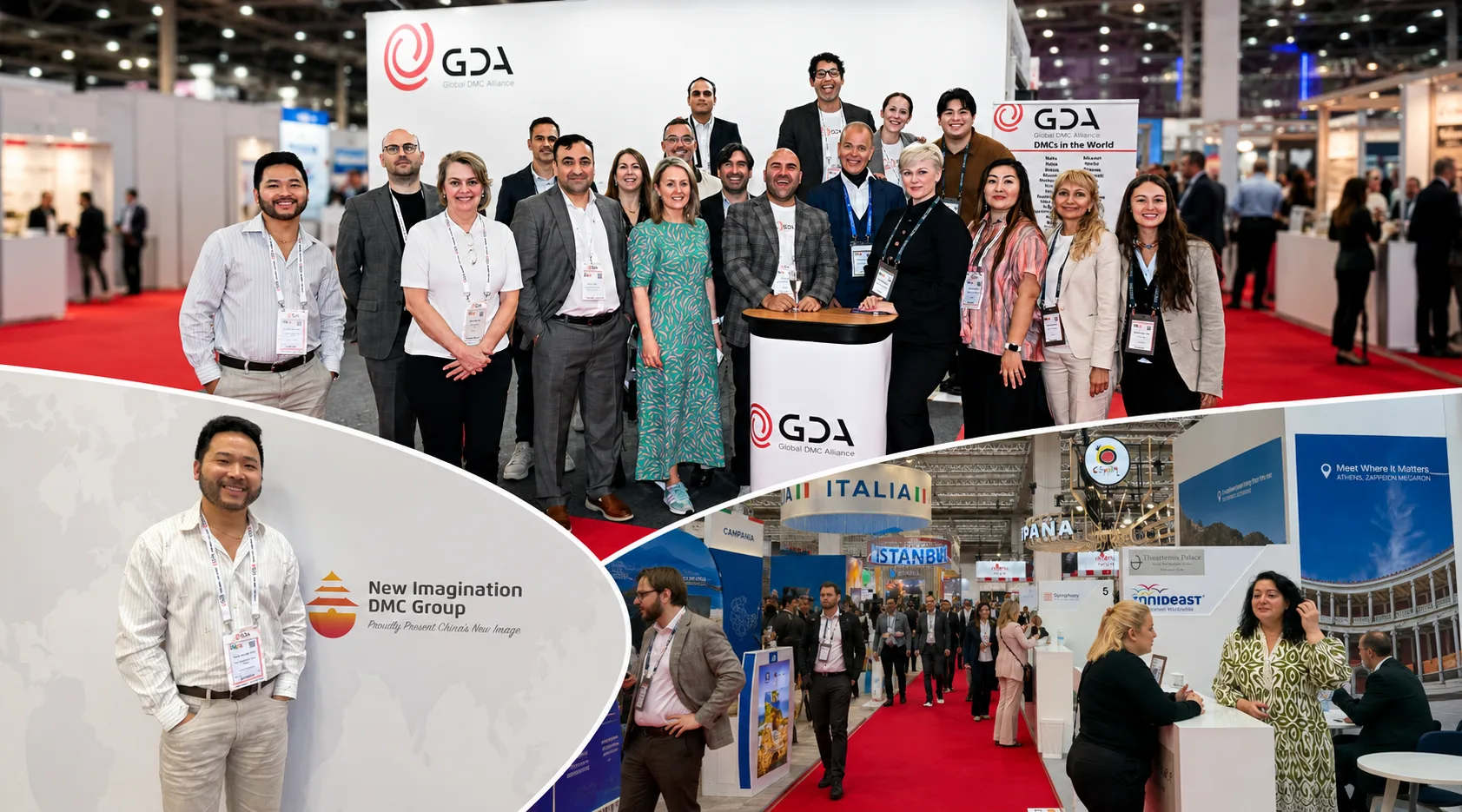
Reimaging China: 5 Interesting Finds from IMEX Frankfurt
For years, many international buyers saw China as a destination they were curious about, but perhaps not yet ready to prioritize. This year at IMEX Frankfort, the conversations felt noticeably different.
On the show floor, agencies and corporate planners were not only asking about classic landmarks and gateway cities. They were also bringing up viral landscapes, high-tech experiences, modern lifestyle trends, company visits, luxury hotels, and the practical details of bringing groups to China today.
As a China DMC, this shift felt especially meaningful to us at New Imagination. At IMEX, we saw not just renewed interest in China, but a new image of China taking shape in the minds of global planners.
Here are five interesting trends from our IMEX conversations that show why China is moving higher on the MICE and incentive travel agenda.
1. The “TikTok Effect” Is Reshaping Chinese Destinations
One of the most surprising things was how many buyers mentioned destinations in China that are not even mainstream among Chinese domestic travelers.
The most typical example is Wangxian Valley in Jiangxi. The destination became viral internationally because of TikTok and Instagram-style content, despite being relatively unknown only a few years ago.
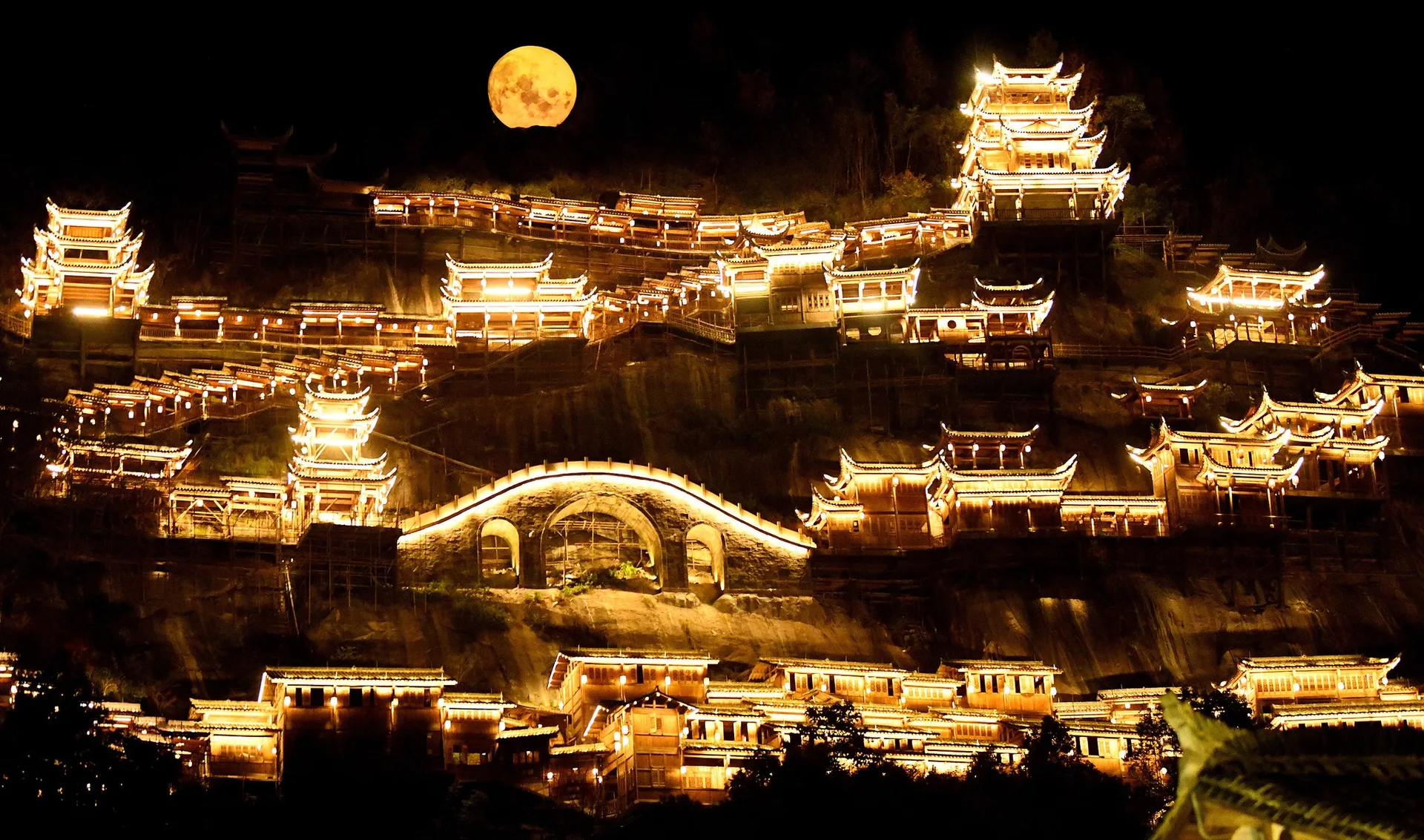
What is interesting is that nearby Wuyuan — long considered one of China’s most classic countryside destinations domestically, famous for its Hui-style villages and harmony between architecture and nature — was traditionally the more established destination for Chinese travelers. Yet today, Wangxian Valley often attracts more attention simply because it is more visually dramatic and “viral-friendly.”
The same pattern appears in China’s nature destinations.
Domestically, destinations like Huangshan, Yangshuo, and Jiuzhaigou have long been considered among China’s most iconic natural landscapes. But internationally, Zhangjiajie overwhelmingly stands out — largely because the landscape is instantly recognizable, cinematic, and highly social-media driven through the “Avatar Mountains” association.

And the “TikTok effect” does not stop at destinations. It is also reshaping what visitors want to buy and bring home from China.
Forget tea, silk scarves, or panda toys.
One of the most unexpectedly mentioned souvenirs during IMEX conversations was actually the Adidas Chinese New Year / Tang-style jackets.
The Adidas Originals CNY collections — blending classic Chinese Tang jacket elements with modern streetwear aesthetics — have become surprisingly viral among younger international travelers. Many buyers and visitors specifically mentioned wanting to shop for them while in China after seeing them repeatedly on TikTok, Instagram Reels, and Xiaohongshu-inspired content.
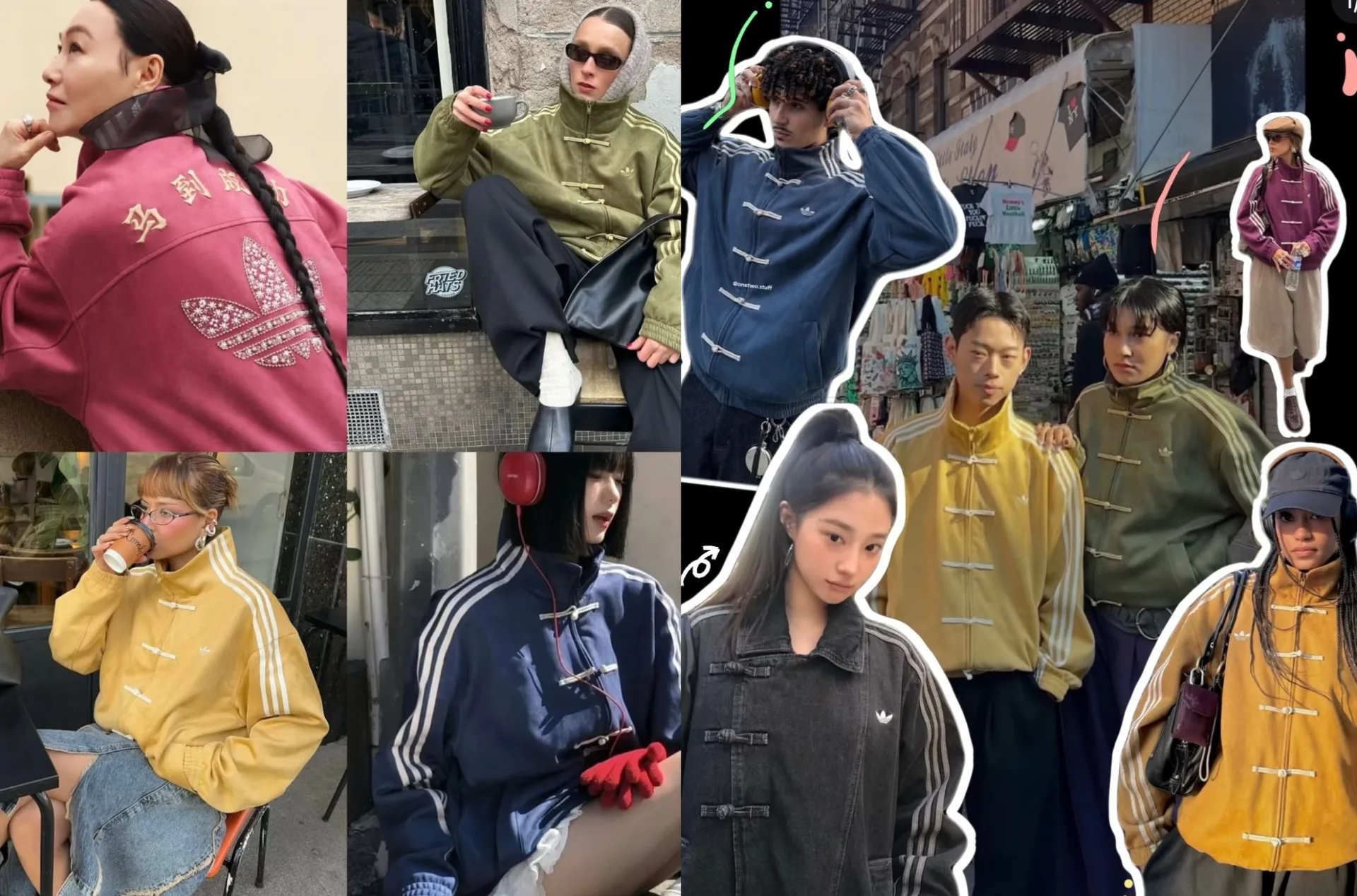
It is fascinating because this perfectly reflects the new image of China emerging online: not only traditional and cultural, but also stylish, modern, aesthetic, and trend-driven.
Social media is no longer simply promoting destinations. It is reshaping how people imagine China entirely — including where they go, what they wear, and what they bring home.
2. The “High-Tech China” Dilemma
China’s global image today is increasingly associated with drones, robotics, AI, e-commerce, high-speed rail, and futuristic city life. Many visitors literally describe China as “living in 2040.”
But interestingly, this perception also creates a dilemma.
When people begin planning their trip to China, many suddenly discover that traveling here can feel more complicated than expected. Payment systems, apps, local digital ecosystems, transportation tools — everything is extremely advanced, but often designed primarily for China’s own massive domestic market.
In many ways, China optimized its systems first for 1.4 billion local users before adapting them for international visitors.
However, the situation is improving rapidly.
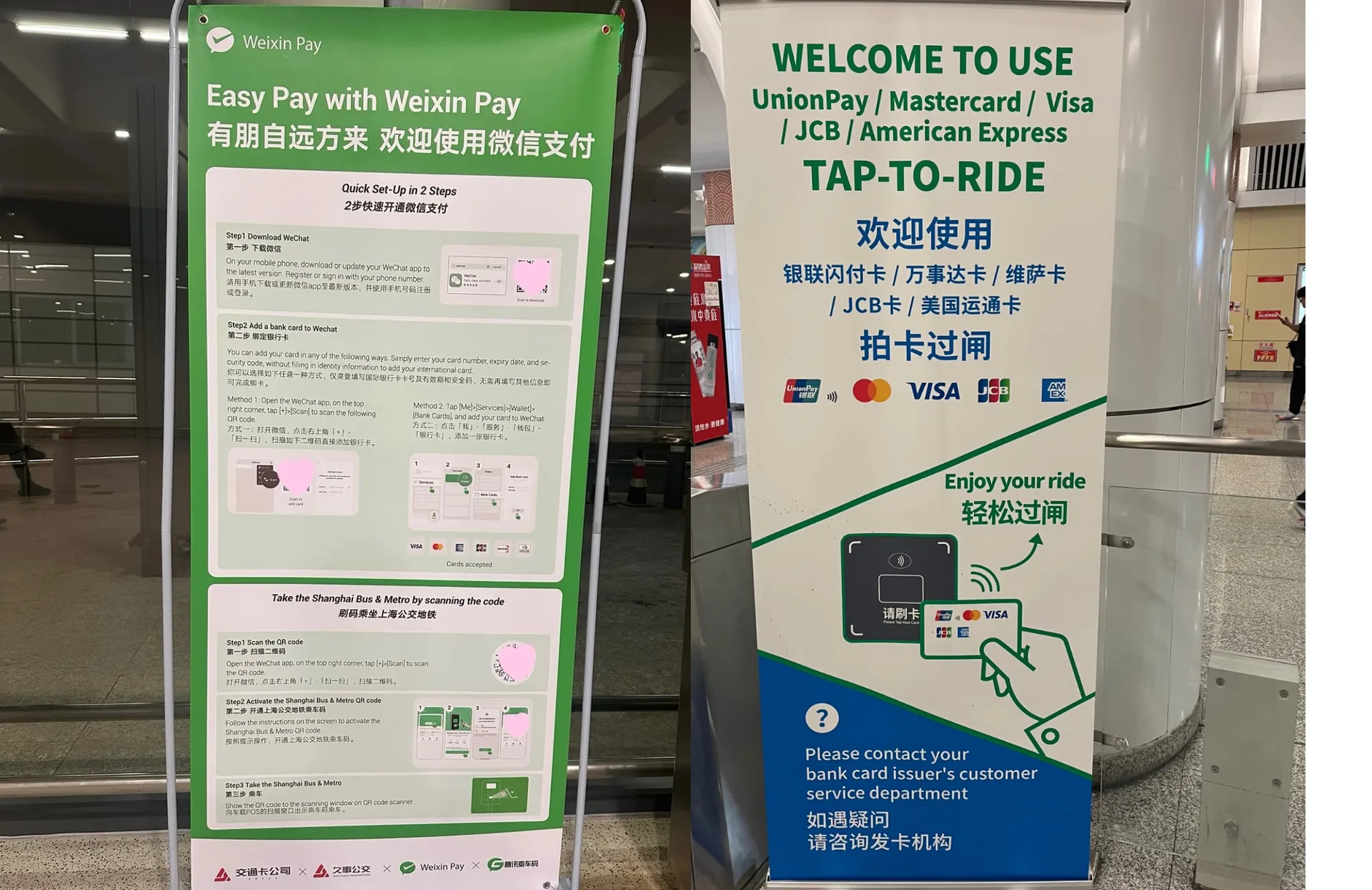
Visa-free policies are expanding. International payment accessibility is becoming easier. Foreign passport integration into transportation and digital payment systems is improving month by month. China is clearly aware of the issue and moving quickly to make the country more foreigner-friendly without slowing down its technological ecosystem.
And honestly, this “future shock” has also become part of the fascination.
3. China Is Much More Affordable Than People Expect
This came up constantly during conversations.
Because China is often perceived as technologically advanced and highly developed, many international travelers assume it must also be extremely expensive.
Then they start planning.
And suddenly they realize:
· Luxury hotels are often significantly cheaper than equivalent properties in Europe or the US
· Fine dining and Michelin-level experiences remain relatively accessible
· Domestic flights and high-speed trains are surprisingly affordable
· Premium experiences still deliver strong value for money
One buyer literally told me: “I never imagined staying at Bvlgari Shanghai would cost less than many Marriott properties in Europe.”
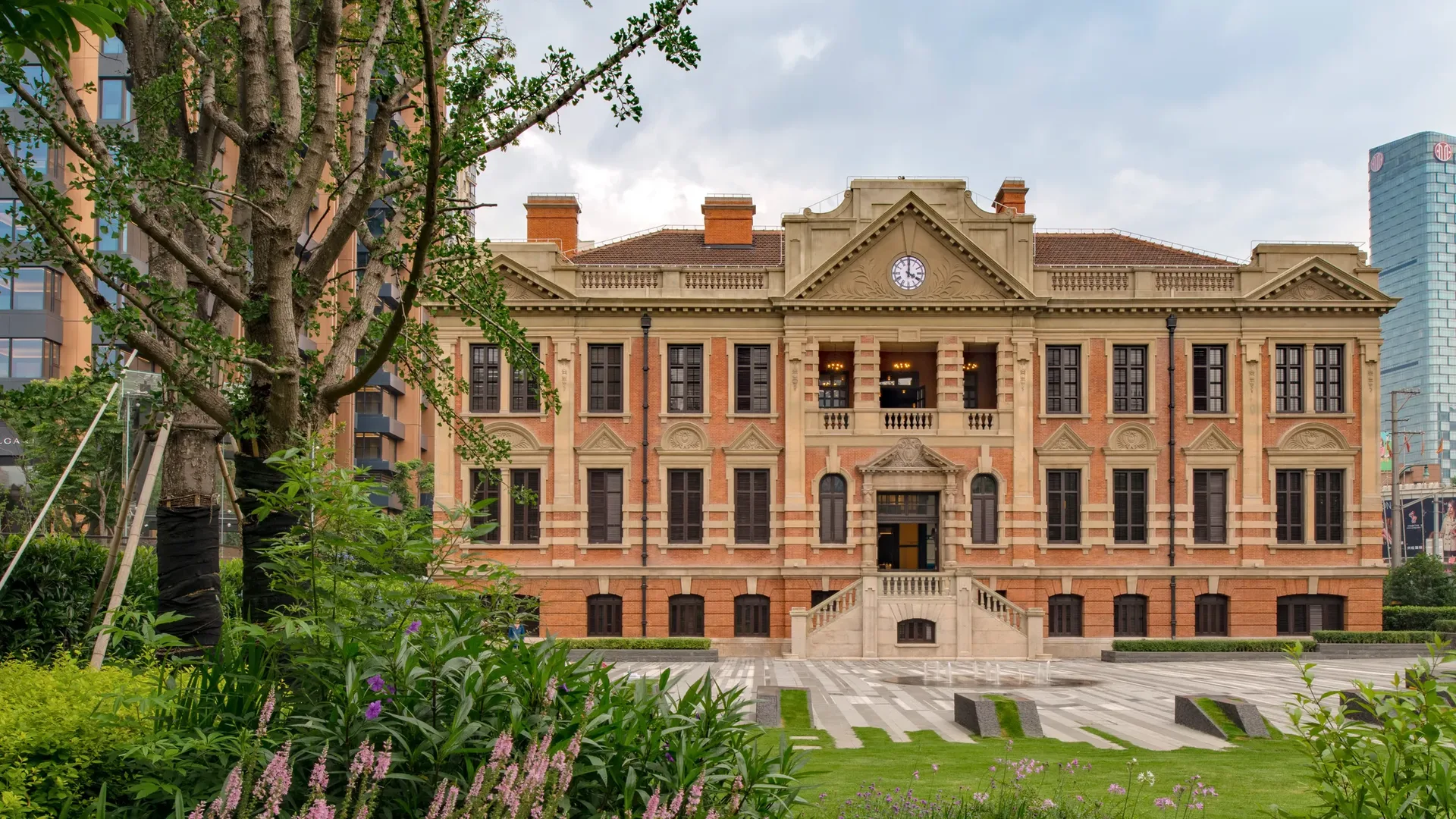
This concept of “affordable luxury” leaves a very strong impression on first-time visitors.
4. Corporate & Industrial Visits Are Becoming a Major Trend
For MICE and incentive travel especially, company visits are becoming one of the strongest areas of interest.
Many international corporate groups are no longer satisfied with only sightseeing and gala dinners. They want to understand modern China from the inside.
Visits to companies like Huawei, BYD, Tencent, DJI, or AI and robotics firms are becoming highly requested experiences.
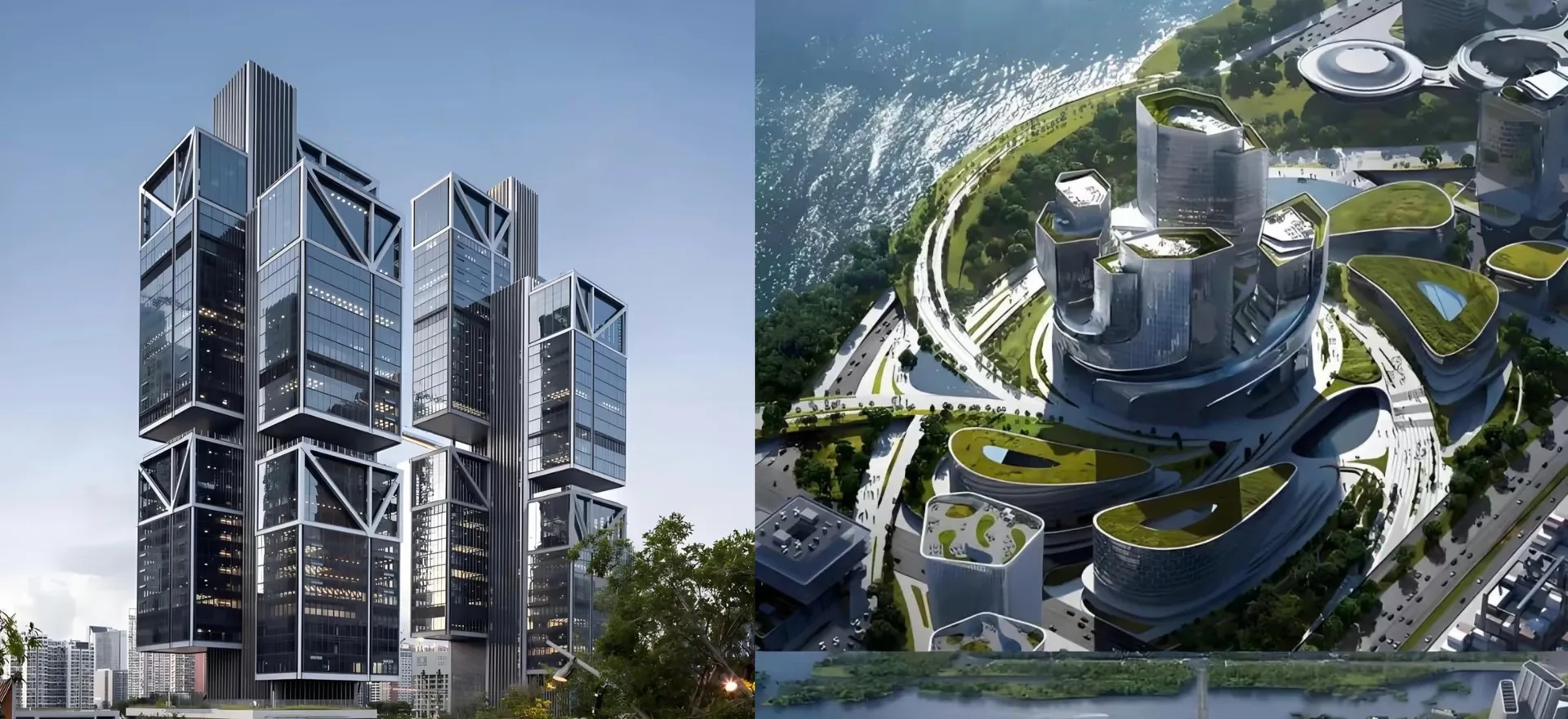
People are curious not only about the companies themselves, but also about the speed, scale, and innovation ecosystem behind modern China.
5. China Is Becoming “The Trend”
Last year, Japan dominated global travel conversations and social media trends.
This year, China is increasingly entering that position.
Partly because of visa relaxations. Partly because of social media exposure. And partly because people are searching for “what’s next.”
For many years, international audiences mostly knew China through manufacturing, business headlines, or geopolitics.
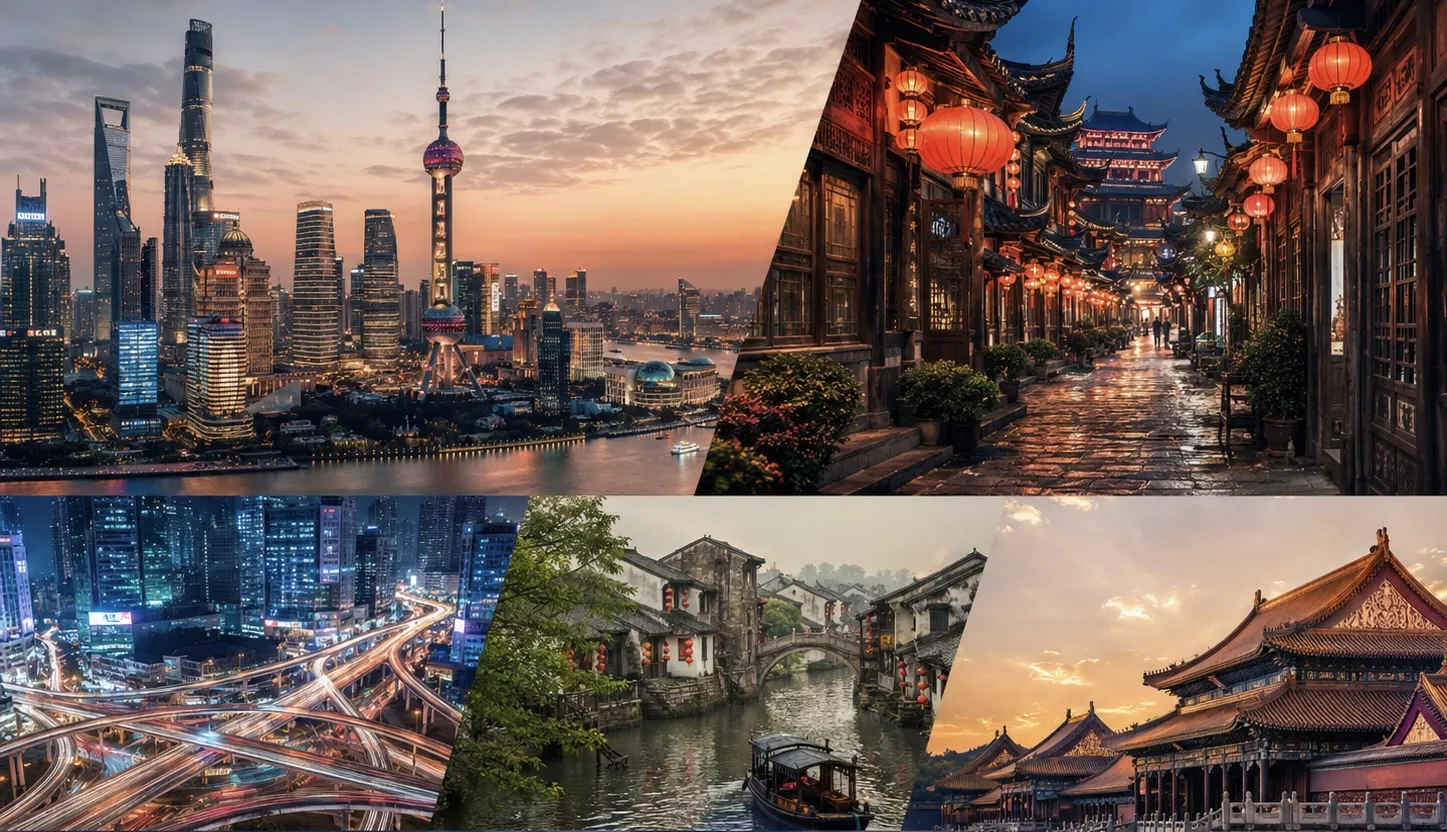
Now people are rediscovering China as a travel destination again — and what they find often surprises them: futuristic cities, cinematic landscapes, deep cultural heritage, hyper-modern infrastructure, and luxury experiences at surprisingly accessible prices.
China is no longer only a destination people feel they “should” visit once.
It is becoming a destination people genuinely want to experience now.
And that is exactly why this moment feels important.
Because when a destination becomes both culturally rich and socially relevant, both operationally strong and emotionally exciting, both premium and surprising — it becomes more than a place on the map.
It becomes the next big story.
For us as a China DMC, the opportunity is not only to show clients where to go.
It is to help them experience a new image of China: one shaped by heritage and innovation, tradition and trends, deep local culture and fast-moving modern life.
That is the China more people are asking about after IMEX Frankfurt. And that is the experience New Imagination DMC China is excited to help global agencies and corporate clients create.
Curious about what a modern China program could look like for your clients?